
A shared pathway linking the Waitematā and Manukau Harbours is set to transform how West Aucklanders move, explore, and connect with their environment. The Te Whau Pathway Project brings together multiple agencies to deliver a 15km off-road walking and cycling route through the region’s most significant green spaces and waterways. The pathway offers outstanding recreational opportunities and provides local communities with safer, more sustainable travel options.
‘The project connects people to places, to each other, and to green spaces and waterways,’ says Tony Miguel, Chairperson of the Te Whau Pathway Environment Trust. The trust is one of the project’s key delivery partners, working alongside Auckland Council, Henderson-Massey and Whau Local Boards, Auckland Transport, Te Kawerau a Maki, and Ngāti Whātua Ōrākei. But for Tony, the pathway is about far more than infrastructure. ‘It will deliver lasting cultural, social, environmental, and economic benefits for the West,’ he says.
The trust is also keen to ensure the pathway is accessible to everyone. This includes wheelchair users and others who use mobility aids. The trust engages the community for the project, using the pathway to reconnect people with the Whau River and the wider catchment. ‘From restoring the environment and educating about water quality to promoting cycling and recreation, we help the community understand and connect with the awa,’ says Tony. ‘Many people didn’t even realise the Whau River was right in their backyard.’
With support from a $19,000 grant from the Your West Support Fund, the trust has expanded its engagement programme. Activities include community planting days, bike events, and hands-on learning opportunities for young people.
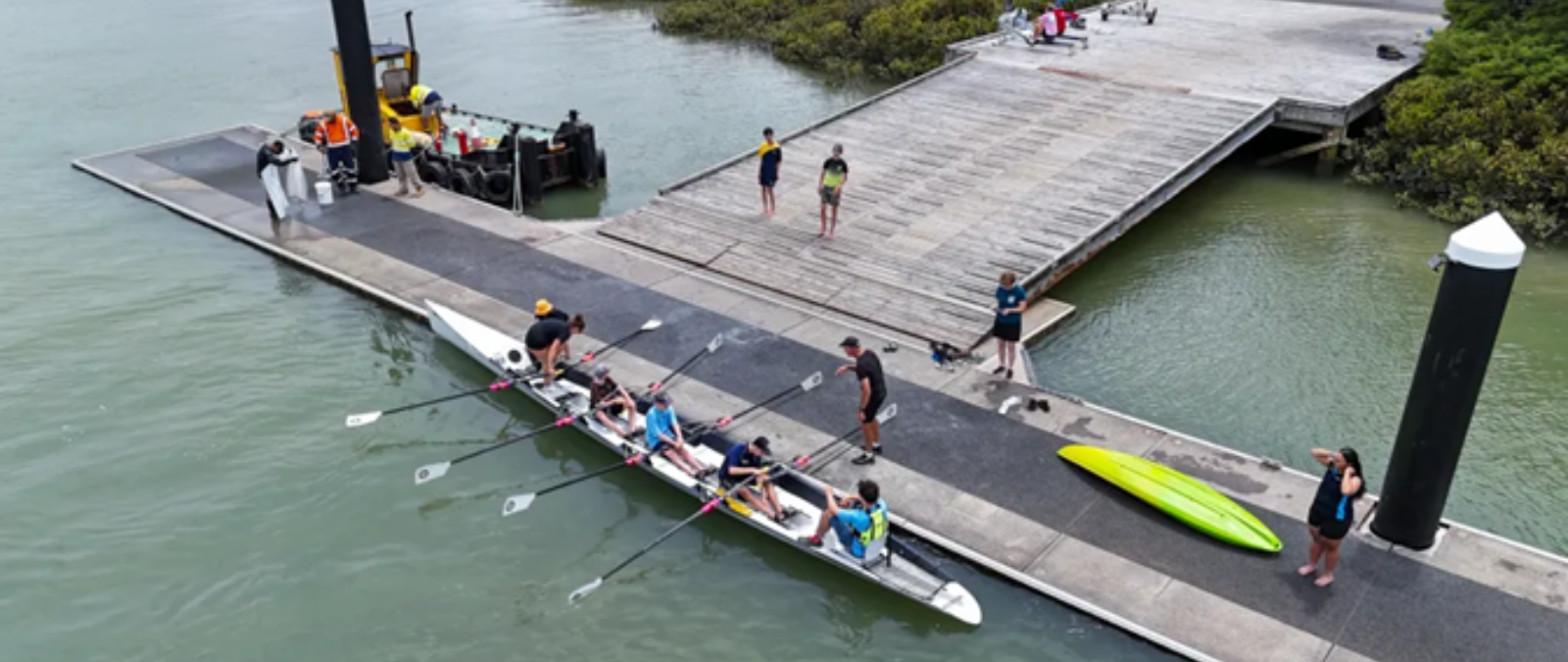
Seventeen local schools, including Rutherford College, Rangeview Intermediate, and Green Bay Primary, have participated in arts projects, planting, and cleanup days. With support from the West End Rowing Club, students have also kayaked and paddled waka ama on the Whau. ‘We engage rangatahi because they drive long-term change,’ Tony explains. Improving understanding of water quality is another core part of the trust’s work. Monthly testing is conducted at 15 sites across the Whau Estuary, with results shared with the council, local boards, and the wider community via the trust’s website.
This work helps residents better understand the river’s health and their role in protecting it. ‘The grant from the Your West Support Fund has been crucial,’ says Tony. ‘It’s allowed us to keep our programmes going and leverage further funding from other sources.’ Construction on the latest section of the pathway, between Bridge Avenue in Te Atatū South and Roberts Road, is due for completion in March, and an official opening is planned.
For the latest updates and details on how to get involved in this exciting project, please visit the Te Whau Pathway Project’s website or social media.